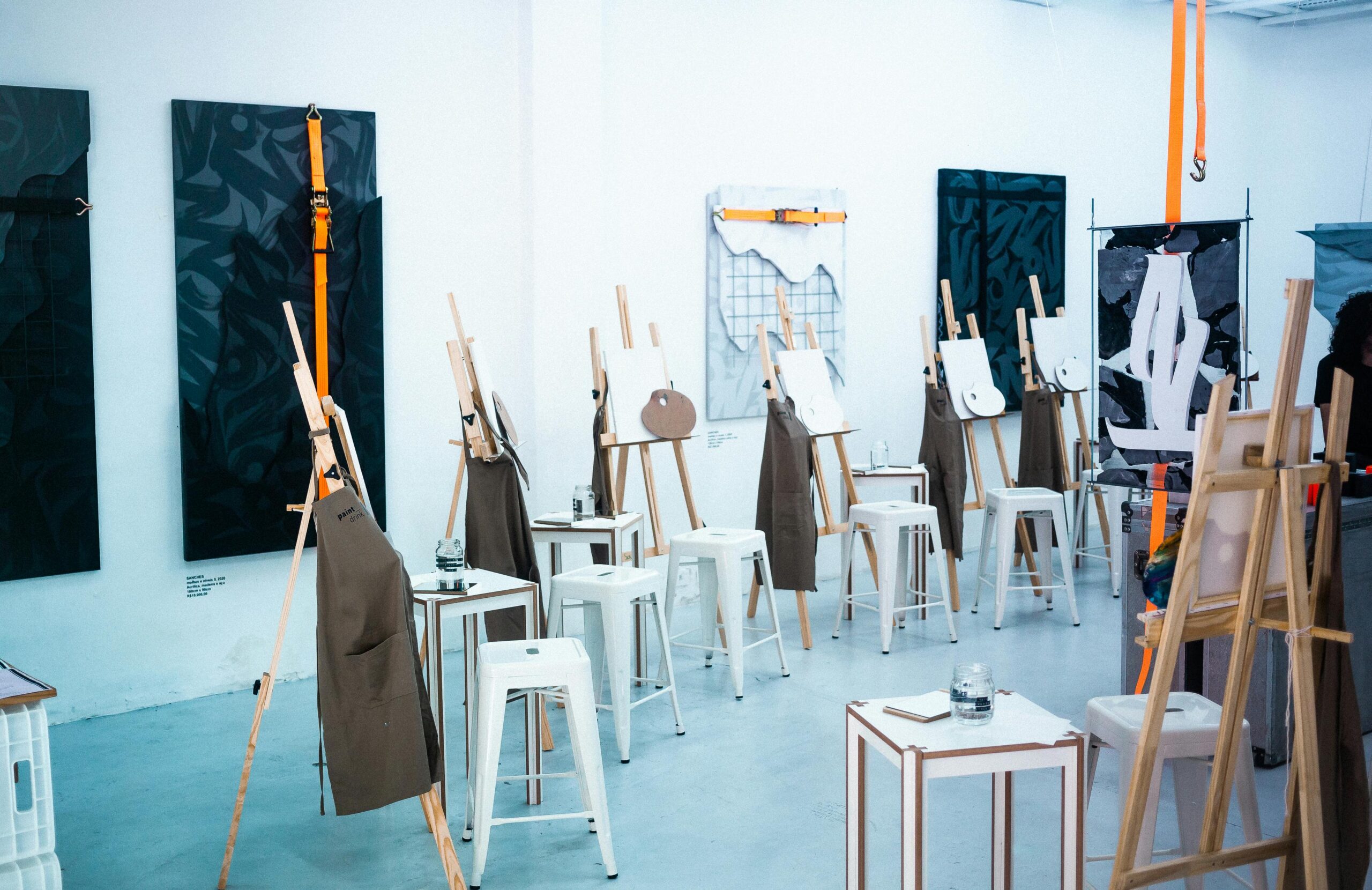
Art is often described as timeless—but its economic importance might be even more enduring than its aesthetic one. From Renaissance patrons to digital collectors, art has long stood at the intersection of creativity and commerce, revealing how culture, investment, and human expression weave together to shape markets and societies. While technology and tastes evolve, one idea remains constant: art never loses its relevance because it reflects the enduring complexity of human value itself.
Art as an Economic Indicator
Art mirrors more than culture—it also mirrors the economy. The rise of art markets has historically run parallel with periods of prosperity. During the Italian Renaissance, commissions from wealthy merchants fueled the creative explosion that produced Michelangelo and Leonardo da Vinci. These works weren’t just decorative; they were public statements of wealth and vision—early forms of brand identity and social capital.
In modern times, art continues to function as a subtle economic indicator. When global wealth expands, so does demand for high-end artwork, rare collectibles, and design. Auction houses such as Christie’s and Sotheby’s see spikes in activity during bullish market periods, reflecting an underlying confidence in long-term value. But even when the economy contracts, certain categories—particularly masterpieces and historically significant works—retain their stability, acting as alternative investment vehicles much like gold or real estate.
Why Art Remains an Evergreen Investment
Art’s value isn’t dictated by quarterly earnings or market trends. It exists in a different economic rhythm—one based on cultural permanence rather than transactional momentum. This is what economists call a non-depreciating asset class: art doesn’t lose utility with time. It appreciates through historical context, rarity, and emotional resonance.
Several factors contribute to this enduring value:
- Scarcity: Original works are finite. No new Picasso will ever be produced, which inherently increases demand over time.
- Legacy: Provenance—the documented history of ownership—builds trust and prestige, reinforcing long-term worth.
- Cultural resonance: As societies change, iconic artworks serve as mirrors of identity and history, keeping them relevant across generations.
- Diversification: High-net-worth collectors use art portfolios to balance traditional holdings, particularly during market volatility.
Even the digital art boom, driven by blockchain and NFTs, underscores this same principle. Whether it’s a painted canvas or a pixelated JPEG, art that evokes emotional depth and historical meaning continues to retain value, regardless of its medium.
The Intersection of Technology and Art
Technology has not diluted art’s value—it has expanded it. The digital age has created new platforms for creative expression and accessibility, transforming the way audiences engage with design, photography, and even artificial intelligence-generated works.
Contemporary artists use algorithms, coding, and data visualization to craft pieces that comment on society’s dependence on information systems. Meanwhile, virtual galleries allow global audiences to experience exhibitions once confined to physical spaces. In this way, art becomes more democratic without losing exclusivity; anyone can view masterpieces online, but only a few can truly own them.
Blockchain technology in particular has introduced new dimensions to authenticity and ownership. It secures provenance through immutable digital records, granting collectors greater transparency—one of the most persistent challenges in traditional art trading. While the hype around NFTs may fluctuate, the concept of verifiable originality will remain a cornerstone of art economics for decades to come.
Why Businesses Invest in Art
For corporations, art isn’t just decoration. It’s a strategic asset. Companies including Deutsche Bank, UBS, and JPMorgan host significant art collections as part of their identity and culture. These investments serve multiple purposes:
- Brand differentiation: Displaying curated art communicates sophistication and innovation.
- Cultural engagement: Art initiatives allow firms to participate in civic and cultural development, strengthening community ties.
- Employee inspiration: Creative environments are proven to stimulate problem-solving and motivation within corporate spaces.
- Tangible value retention: In times of inflation, tangible assets like fine art provide a hedge against currency devaluation.
Corporate art philanthropy also underscores long-term commitment to social values. Supporting artists and cultural institutions fosters goodwill—something increasingly valuable in an age when brand reputation directly influences consumer trust.
The Timeless Psychology Behind Art Appreciation
Art endures not only because of its market mechanics but also because of its psychological depth. Humans are storytellers by nature; we interpret shapes, colors, and compositions as narratives that define identity and meaning. This intrinsic connection ensures art’s permanence far beyond economic cycles.
Scientific studies in neuroaesthetics — a field exploring how the brain perceives beauty — reveal that art triggers emotional and cognitive responses similar to those associated with love or memory. When people buy art, they invest not only in an object but in a feeling, a story, and a piece of shared imagination. No other asset blends emotional identity and financial potential quite as seamlessly.
Sustainability and the Future of Art
In an era of climate consciousness, even art is adapting to new environmental imperatives. Artists increasingly experiment with sustainable materials, recycled canvases, and biodegradable pigments. Galleries and museums are reducing carbon footprints by adopting digital archives and virtual viewing tools.
This transition marks a crucial phase: art as sustainable innovation rather than mere consumption. Creative expression not only comments on the planet’s transformation—it actively contributes to solutions that redefine beauty and responsibility. Long after trends fade, the art that unites creativity with sustainability will stand as proof that value can be ethical as well as aesthetic.
Conclusion: The Ultimate Evergreen Asset
Art transcends novelty. It survives generations, economic upheavals, and technological revolutions because it speaks to something immutable—the human desire to express, preserve, and evolve. Whether hanging on a gallery wall or stored as cryptographic code, art remains both a reflection of value and a source of it.
For investors, businesses, and individuals alike, understanding the economics of art means recognizing that beauty is not ephemeral—it’s a measurable, enduring force within civilization. And as long as people seek meaning, art will continue to define what value truly means.
About the Author


