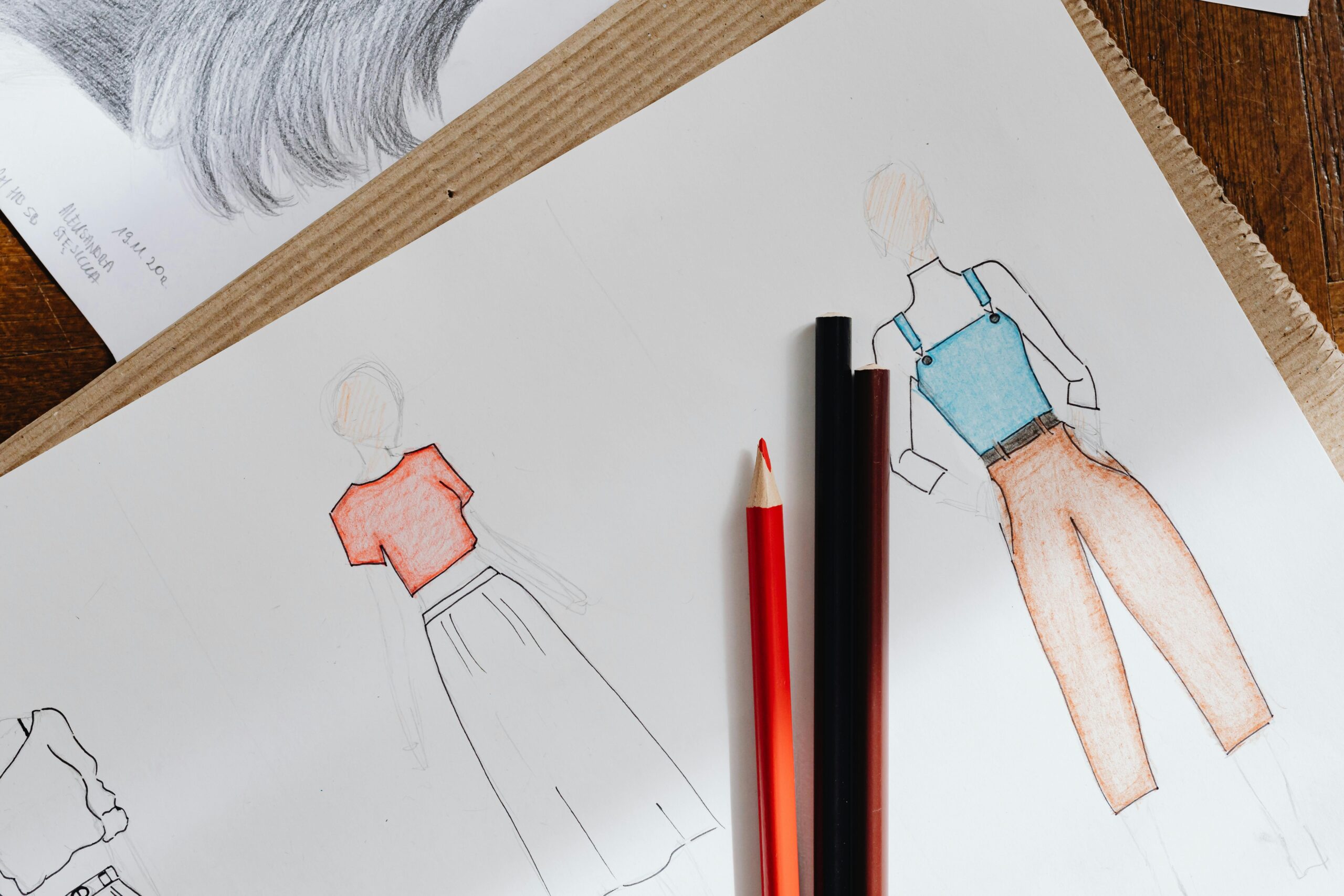
In an era dominated by innovation and disruption, one truth remains constant: design is the most enduring competitive advantage a company can have. While technology evolves and markets fluctuate, the principles of thoughtful, human-centered design stand firm, shaping how products are experienced, brands are perceived, and industries are transformed.
Design doesn’t just make things beautiful—it creates functionality, trust, and connection. In business, that translates into customer loyalty, premium pricing, and long-term relevance. From the typography on a corporate report to the interface of an app, every design decision holds economic weight.
The Business Case for Timeless Design
Companies have learned—sometimes the hard way—that design isn’t an aesthetic choice; it’s a strategic investment. When Apple introduced the iPhone, it wasn’t just a leap in technology—it was a masterclass in simplicity and emotional resonance. The design wasn’t temporary; it was visionary.
So what makes design timeless? The most enduring examples share a few defining traits:
- Clarity: Clear design communicates without requiring explanation. A brand that’s understood at a glance has a lasting advantage.
- Functionality: When design enhances usability, it becomes indispensable rather than decorative.
- Consistency: The world’s most trusted brands—think Nike, IBM, or Porsche—don’t change their visual language every year. They evolve it thoughtfully.
- Emotion: Functional design connects; emotional design endures.
These factors translate directly to economics. A well-designed product reduces marketing costs, drives repeat business, and extends its lifecycle. In essence, good design compounds value—financial and human alike.
Design as Market Differentiation
In crowded markets, differentiation often hinges on design. Consumers rarely compare technical specifications anymore—they compare experiences.
A seamless app interface, an elegant package, or a well-organized website influences perception before a single feature comes into play.
Consider fintech startups in the past decade. Thousands offered similar services, but those with superior visual and UX design became household names faster. Design was their silent differentiator—making complex systems feel simple and accessible.
Investors increasingly recognize this. Venture capital funds now conduct design audits alongside financial due diligence. A product may scale faster not because it has a better algorithm, but because its design turns friction into flow.
The Shift Toward Human-Centered Design
As digital transformation permeates every sector—from healthcare to finance—the philosophy of design has shifted dramatically.
No longer is “design thinking” confined to creative studios. It’s become the language of leadership, guiding how organizations innovate and communicate internally.
Human-centered design (HCD) focuses on empathy: understanding users deeply to design solutions that truly serve them. For executives, this mindset translates into agile, sustainable strategy. Instead of reacting to markets, HCD anticipates human needs before they become business demands.
Take the example of healthcare system overhauls. When hospitals redesigned patient check-in experiences using HCD principles, wait times fell, satisfaction rose, and costs dropped. Design wasn’t cosmetic—it optimized operations.
The Economics of Simplicity
Simplicity is hard to achieve—but it’s economical in every sense.
Businesses often mistake complexity for sophistication. Yet, in practice, each unnecessary element increases cognitive load for the user and operational cost for the company.
Simple design scales better. Think of Google’s homepage: a minimalist approach that has remained virtually unchanged for over two decades. It’s a living case study in how simplicity becomes not only timeless but profitable.
In a financial context, simplicity reduces error and enhances trust—the two most valuable currencies in digital interaction. Banks, insurers, and investment platforms that prioritize clear information hierarchy and intuitive navigation see higher retention and conversion rates.
Design as a Long-Term Asset
Most assets depreciate. Design doesn’t—it accrues.
Every iteration builds on the last, creating cumulative brand equity. Companies that treat design as an asset rather than an expense integrate it across all verticals: product, marketing, customer experience, and even internal tools.
This integration is measurable. A 2023 McKinsey report found that firms ranking in the top quartile for design maturity outperformed industry benchmarks by 32% in revenue growth and 56% in shareholder return over five years.
Design longevity also supports sustainability goals. Thoughtful product design reduces waste, enhances durability, and aligns with ESG principles—an increasingly critical factor in investor decision-making.
The Crossroads of AI and Design
Artificial intelligence is reshaping design rapidly—automating repetitive tasks, accelerating prototyping, and predicting user behavior. Yet even with machine learning’s precision, design’s soul remains human.
AI can generate layouts; it cannot replicate imagination. The timelessness of design lies in the human insight behind it—the intuitive understanding of emotion, culture, and purpose that data alone can’t capture.
That said, AI is democratizing design. Tools powered by models like diffusion engines and generative algorithms enable more businesses to create polished interfaces without massive teams. It’s a new form of creative equity, opening professional-quality design to all.
For the next decade, the interplay between human creativity and machine intelligence will define which designs—and which companies—endure.
The Future of Design Leadership
For design to shape lasting value, it must sit at the leadership table.
CEOs and CFOs increasingly realize that design decisions affect every KPI—from conversion to retention to valuation. Forward-looking organizations now embed design into board-level strategy, treating it as both art and analytics.
Design leadership isn’t just about aesthetics—it’s vision alignment. It ensures every business unit delivers a unified experience that reflects the company’s identity and mission. When done well, the result isn’t ephemeral branding; it’s timeless credibility.
As industries shift, design will remain constant—not because it resists change, but because it evolves with purpose.
About the Author


